
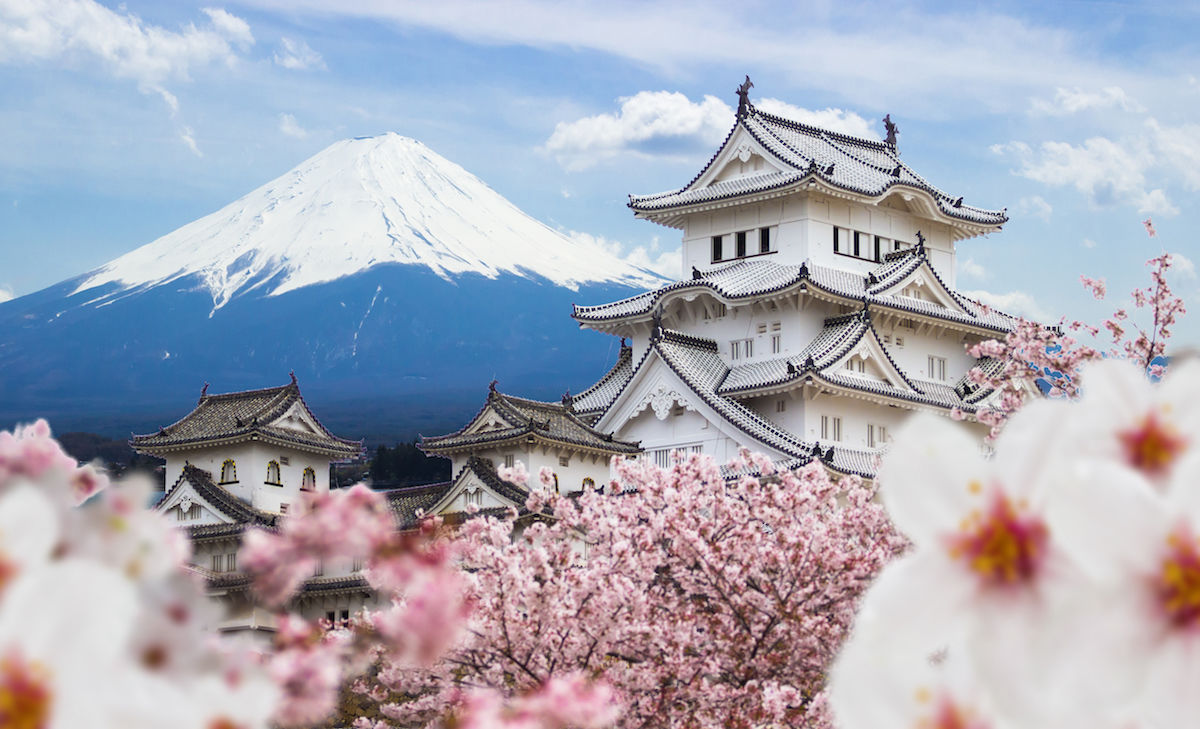
Best time to visit Japan (what to expect)
Japan is great year-round, but your best “planner” move is picking a season that matches your pace. Spring and fall are the most popular for comfortable weather and city walking, while winter is excellent for quiet Kyoto mornings and crisp Tokyo days.
Cherry blossom vibes, ideal temperatures, and high demand for hotels. Book early for top neighborhoods.
Comfortable weather, foliage, and a “premium” feel with less humidity. Great for Tokyo + Kyoto.
Cleaner air, fewer crowds, and excellent value on some hotels. Add a hot-spring day for a perfect reset.
Hot/humid in cities. Best if you build in indoor museums, early mornings, and coastal or mountain escapes.
Tokyo: pick a hub, not “everything”
Tokyo is huge, so planning gets easier when you choose one base that keeps transit simple. Aim for a walkable area with good train lines and plenty of food options, then do day-style exploration.
- Shinjuku: easy transit, late-night energy, great for first-timers.
- Shibuya: modern, lively, shopping and dining—good “Tokyo first impression.”
- Ginza/Marunouchi: upscale hotels, polished vibe, easy for business-style travel.
- Asakusa/Ueno: classic sights, museums, calmer nights, great value hotels.
Kyoto: stay central to keep it calm
Kyoto rewards early mornings and a slower pace. Stay where you can reach temples and neighborhoods quickly, then plan 1–2 “big” areas per day rather than bouncing across town.
- Downtown (Kawaramachi): easiest base for food + transit.
- Gion/Higashiyama: atmospheric, beautiful evenings, close to classic sights.
- Kyoto Station area: best for convenience and day trips (especially Nara/Osaka).
For most first trips, you don’t need to “over-optimize.” A clean plan is: Tokyo base → Kyoto base → return/exit. Then compare the cost of individual Shinkansen tickets vs any pass you’re considering. If your trip is mostly Tokyo + Kyoto with a couple day trips, tickets often keep things simple.
Use Shinkansen for Tokyo ↔ Kyoto/Osaka. Buy tickets for your main travel days, then local transit cards.
If you’re doing multiple long-distance rides (more cities), a pass can be convenient—check totals first.
7 days (tight but smooth)
- Days 1–3: Tokyo (one “classic” day + one neighborhood day + one museum/food day)
- Day 4: Shinkansen to Kyoto (arrive, easy evening in Gion or downtown)
- Days 5–6: Kyoto (temples early, calm afternoons, one “big” area per day)
- Day 7: Day trip (Nara or Osaka) or final Kyoto slow morning
10 days (best balance)
- Days 1–5: Tokyo + 1 day trip
- Day 6: Travel to Kyoto
- Days 7–9: Kyoto + 1 day trip
- Day 10: Easy finish (shopping, cafés, a garden, and a great final dinner)
From Tokyo
Choose one: scenic nature, iconic temples, or a “small-town” reset. Keep it simple and return by early evening.
- Hakone: views + hot springs + a calm break from the city.
- Nikko: shrines + forest energy—great for a cultural day outside Tokyo.
- Kamakura: coastal temples, easy pace, very day-trip friendly.
From Kyoto
Kyoto day trips are fast and very planner-friendly—perfect if you want variety without moving hotels.
- Nara: temples + park strolls—simple, iconic, and relaxing.
- Osaka: food, neighborhoods, and nightlife—best for one bold evening.
- Uji: tea culture + riverside calm—ideal “quiet half-day.”
Japan can be surprisingly good value if you plan your hotel location and book the right room type. Spending a bit more on a better neighborhood often saves time (and transit fatigue), which makes the trip feel premium.
- Hotels: prioritize location + train access. Boutique hotels can be excellent value in shoulder seasons.
- Flights: fewer connections usually beats a small fare difference—especially for 7–10 day trips.
- Travel insurance: helpful if you’re booking nonrefundable hotels or tours.
- Private tours: worth it for 1 day (Kyoto temples or a Tokyo food tour) if you want maximum efficiency.